The Maintainer Meltdown: Why Open Source's Unsung Heroes Are Burning Out—and What the Kubernetes Ingress Fiasco Tells Us
Introduction
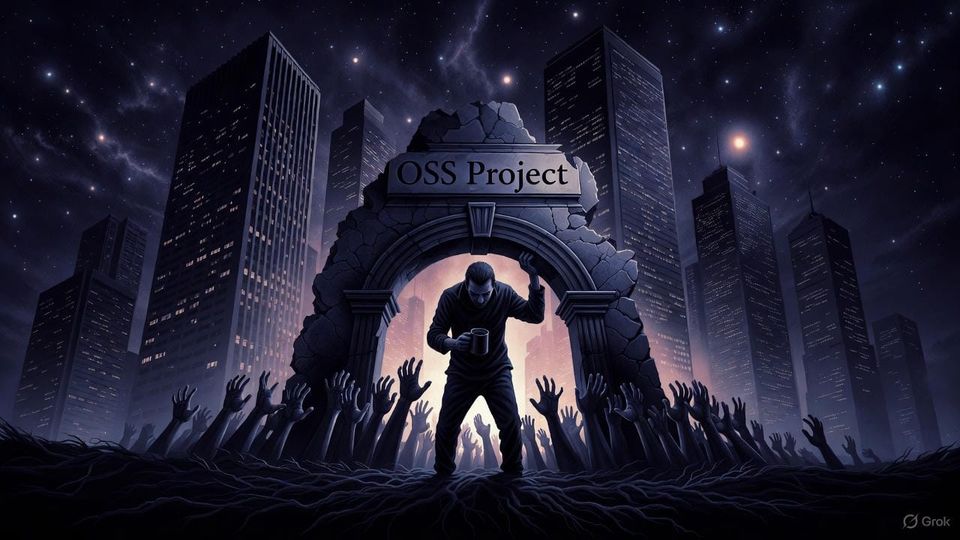
Picture this: You're elbow-deep in orchestrating a massive Kubernetes setup for a high-stakes client. Routing traffic in and out? That's the job of the reliable old Ingress NGINX controller—the open-source Swiss Army knife that's been quietly keeping services accessible for years. It's free, it's flexible, and it's everywhere. Then, out of nowhere, November 2025 hits, and the announcement drops: the project's winding down, with only bare-bones support until March 2026. No more fixes, no security updates—just a gentle shove toward the Gateway API. DevOps Slack channels explode. "One part-time maintainer was carrying all of this? How did we miss the signs?"
This isn't just a Kubernetes gotcha; it's a glaring symptom of open source's fragile underbelly. We've engineered a world where trillion-dollar corporations surf on waves of volunteer code, only to act stunned when the surfboard splinters. In this post, I'll unpack why open source projects are the secret sauce of modern tech, lay out their undeniable upsides and sneaky pitfalls (like how "generous" corporate sponsors can sneak in unwanted baggage), and zero in on the soul-crushing grind of maintainer burnout. We'll dissect the Ingress NGINX saga as our prime-time horror story, puzzle over why behemoths like Google and AWS devour OSS but rarely cough up for full-time help, and yeah, I'll air out my own knot of anxiety about Kubernetes Helm—because if it can happen to one cornerstone tool, why not the next?
Why care? Your next deploy could hinge on code that's one exhausted volunteer away from the scrap heap. Open source isn't some optional perk; it's the glue holding 90% of cloud infra together. We'll break it down gently, with enough wit to dodge the doom-scroll vibe. (Maintainers: If you're here, seriously, book that spa day. You earn it.)
The OSS Gospel: Why Open Source is Tech's Holy Grail
Open source has been around forever—Linux in the '90s, anyone?—but it's morphed into the engine room of innovation. At heart, it's code that's out in the wild: readable, tweakable, shareable. No corporate vaults; just pure, collaborative chaos that somehow works.
Why It Matters: The Big Picture
In a landscape clogged with locked-down software, OSS levels the playing field. Bootstrapped teams don't waste cycles rebuilding databases when PostgreSQL's right there. It turbocharges progress—GitHub's a non-stop idea bazaar—and earns trust the hard way, with every line audited by strangers. The numbers? It's a beast worth $8.8 trillion, says Goldman Sachs, fueling your phone OS to enterprise pipelines.
OSS feels like staring into the cosmos: endless questions, shared discoveries, no gatekeepers. Without it, we'd be trapped in proprietary purgatory, fiddling with outdated tools.
The magic? It thrives on passion. But passion needs fuel, and that's where maintainers—the quiet guardians—come in, often running on fumes.
Pros of Open Source: The Sunshine and Rainbows
Let's give credit where it's due. OSS shines bright for good reason.
- Innovation on Steroids: Teams worldwide riff off each other. Google's TensorFlow? Dropped it open, and boom—ML exploded for all.
- Cost Savings (With a Catch): Zero licensing fees mean bucks for R&D... or, y'know, more coffee.
- Security Through Crowdsourcing: Bugs don't hide long. That Heartbleed mess? Fixed in a blink because eyes were everywhere.
- Talent Magnet: Coders chase clout on hot repos. It's like open-mic night for devs—show up, jam, get scouted.
- Ecosystem Flywheel: One hit spawns symphonies. Kubernetes lit the fuse; now we've got Helm, Argo, and a dozen more.
Quick table to visualize:
| Pro | Real-World Example | Impact |
|---|---|---|
| Rapid Iteration | Linux kernel patches | Fixes fly in hours, not quarters |
| Community-Driven | Kafka's user-requested tweaks | Solves real pains, not hypotheticals |
| Portability | Node.js everywhere | Code once, ship to the stars |
These aren't fluff; they're why OSS hooked us all. But every rose has thorns—time to get prickly.
Cons of Open Source: The Thorny Underbelly
The highs are heady, but OSS has baggage that can trip you up.
The Maintainer Trap
Hit projects draw crowds, but crowds crush. One dev fielding 500 issues? That's not sustainable; it's a slow-motion car crash.
Corporate Overlords in Disguise
Paid sponsorships sound noble, but often they're feature-farming ops. Companies slip in their pet integrations—stuff the community shrugs at—turning elegant code into a Frankenstein mess. Log4j's saga? Vendors nudged changes that favored their stacks, complicating life for everyone else. Subtle power plays erode the "open" in open source.
Balanced view, table-style:
| Con | Example | Why It Stings |
|---|---|---|
| Maintainer Burnout | Weekend warriors soloing enterprise tools | Projects stall or straight-up die |
| Feature Creep from Sponsors | Niche add-ons nobody voted for | Bloats code, frustrates purists |
| Security Vulnerabilities | Orphaned deps gathering dust | Hackers love a quiet backdoor |
| Forking Fragmentation | Redis drama birthing Valkey | Splintered focus, adoption whiplash |
License flip-flops, like Elastic's SSPL pivot? They sting too, reminding us openness is fragile.
The Maintainer Dilemma: Heroes, Victims, and the Call for Help
For blockbuster projects, maintainers aren't caped crusaders; they're overworked stagehands. Kubernetes' OGs are still at it after a decade, voices hoarse from the grind. Helm's co-founders, like myself, have spilled on the "collective exhaustion" that nearly sank the ship—pushing for sane paces instead.
The pain points? They pile on:
- Ticket Tsunamis: Triaging 1,000+ bugs feels like herding cats on fire.
- Always-On Curse: "Urgent" pings at 3 a.m.—because time zones don't care.
- Entitlement Vibes: Free code means free labor, right? Wrong.
- Echo Chamber Risks: Too often, it's the same demo crew—missed perspectives breed oversights.
Dark humor: Maintainers are the DJs spinning for a rave that never ends. Who's buying the afterparty?
Real Story: The Kubernetes Ingress NGINX Shutdown—A Wake-Up Call
Let's pull back the curtain on this recent drama. For years, Ingress NGINX was the unsung hero of Kubernetes setups—the tool that smoothly directed internet traffic to the right spots in your cloud apps, powering everything from small startups to massive enterprise systems. It was beloved for being straightforward, powerful, and, yeah, free.
But behind the scenes, it was running on empty. A tiny band of one or two dedicated volunteers—working late nights and weekends, all without a paycheck—kept the whole operation afloat. Then, in 2025, a wave of serious security holes surfaced, like cracks in a dam, begging for reinforcements that never showed up.
The team had been waving red flags for a full year, suggesting a smooth handover to a newer, more modern alternative in the Kubernetes world. The response from the massive user base? Mostly silence. Fast-forward to November 11, 2025: The official word lands— the project is retiring, with just "best-effort" tweaks limping along until March 2026. After that? Crickets. No new features, no patches for bugs or breaches.
The internet lost it. Forums lit up with panic posts, professionals vented on social feeds: "This is our go-to tool—how do we even start over?" And here's the gut punch: No one saw it coming because no one was looking. Big companies had plenty of time to lend a hand—maybe hire those volunteers full-time—but they didn't. Now, teams everywhere are scrambling to switch to other options, like more advanced traffic routers that promise better long-term support.
The takeaway? It's a classic tale of taking the gift for granted. One overworked person can't shoulder the weight of tools that run the world's apps forever. This wasn't just a tech hiccup; it was a human one, exposing how our love for free code can blind us to the real cost.
Big Companies' OSS Hypocrisy: Feast Now, Famine Later
So why do Google (K8s parents) or F5 (NGINX heirs) chug OSS like it's bottomless? Efficiency, baby—faster builds, community polish, no reinventing.
Full-time maintainers, though? About as common as honest politicians. Google doles out CNCF cash in fits, but it's chump change. AWS? Voracious consumers, stingy sustainers. A 2023 Linux Foundation poll pegged 80% of OSS as underfunded. Companies freak at deprecation because rewrites suck—but one volunteer's no match for scaling chaos.
Quip: It's the free-sample economy—devour the goods, ghost the tab, then whine when the store closes.
A Personal Worry: Don't Let It Happen to Helm
As a co-founder who's Helm-hammered deploys since the early days, this Ingress echo keeps me up: Could Helm crater next? My own burnout confessions ring too true—the team's near-collapse from overload, clawing back with workload tweaks. Helm's a deployment wizard, but as it swells (OCI shifts, plugin sprawl), the maintainer math gets uglier.
Whispers say Helm 4's chasing flashy edges over rock-solid basics, stoking more fatigue. If corps don't fund real roles, we're courting a "Helmgate." My gut-check: CNCF, step up. Users, code, cash, or coffee—pick one. History's a lousy teacher if we skip the lessons.
Conclusion
Look, open source is one of those rare things in tech that just works—it lights up ideas we couldn't dream up alone, saves us a fortune on licenses, and weaves this tight-knit web of folks who actually get shit done together. But let's be real: the downsides, like the sheer exhaustion of keeping it all afloat, the sneaky ways big companies twist it to their needs, and the flat-out ignoring of the people behind it, hit hard when we start acting like it's some endless free buffet. The Ingress NGINX story? It's yelling at us from the rooftops: adore the code all you want, but if you don't show up for the humans writing it, you're just setting yourself up for a messy fall.
So, here's what we can do about it, no fluff:
- Love OSS, But Show Up for the People: Yeah, geek out over the features and the fixes, but make sure the maintainers aren't left holding the bag—throw them some recognition, or better yet, some actual funding.
- Keep Your Stack Honest: Don't sleep on checking those dependencies; map out backups now so you're not scrambling when the rug gets pulled.
- Hey Maintainers, Guard Your Time: Saying "no" to that endless stream of requests? It's not being difficult—it's smart self-care. You've got limits, and honoring them keeps the project (and you) going strong.