February 2026 AI Coding Explosion: Codex App, Xcode 26.3, Claude Opus 4.6 & Nativeline’s Multi-Platform Leap
The first week of February 2026 has been wild for anyone building native Apple apps. New tools and models dropped almost simultaneously, pushing agentic coding forward faster than ever. Some excite me massively; others show promise but need polish. Here’s the quick rundown.
OpenAI’s Codex App for macOS
OpenAI launched the Codex app on February 2—a dedicated macOS “command center” for managing multiple AI agents in parallel. It supports long-running tasks, multitasking, GitHub pushes, and even TestFlight deploys for iOS apps. The vibe-coding flow (describe → agents build) feels futuristic and integrates smoothly with ChatGPT subscriptions.
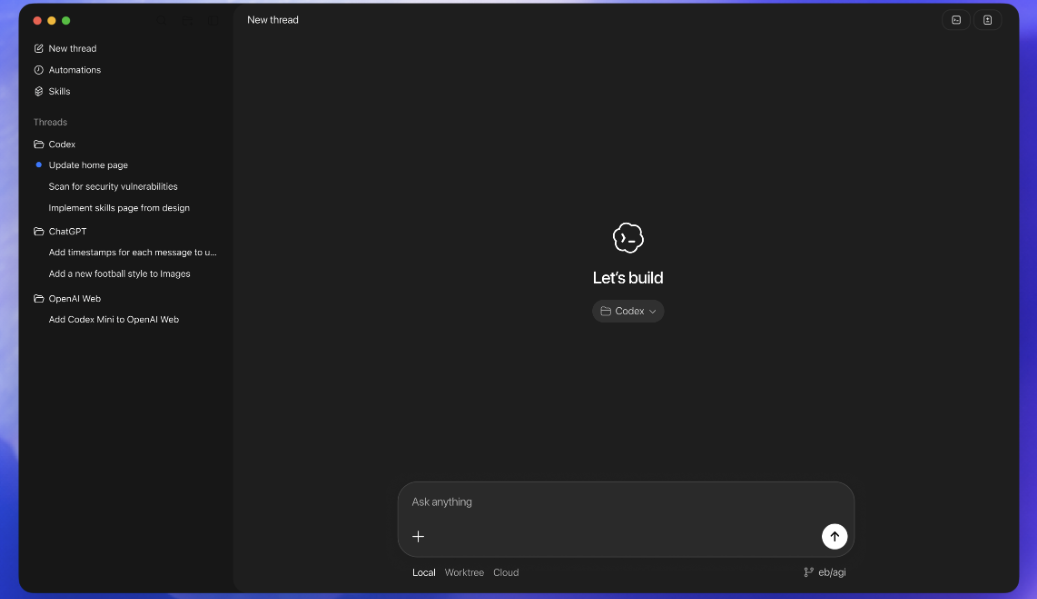
That said, while the interface is slick and the concept is bold, the generated code quality and overall reliability still don’t match my top picks. It’s great for rapid prototyping or simple apps, but complex logic or edge cases reveal rough edges. Solid step forward—just not my daily driver yet.
Xcode 26.3 Brings Agentic Coding Native
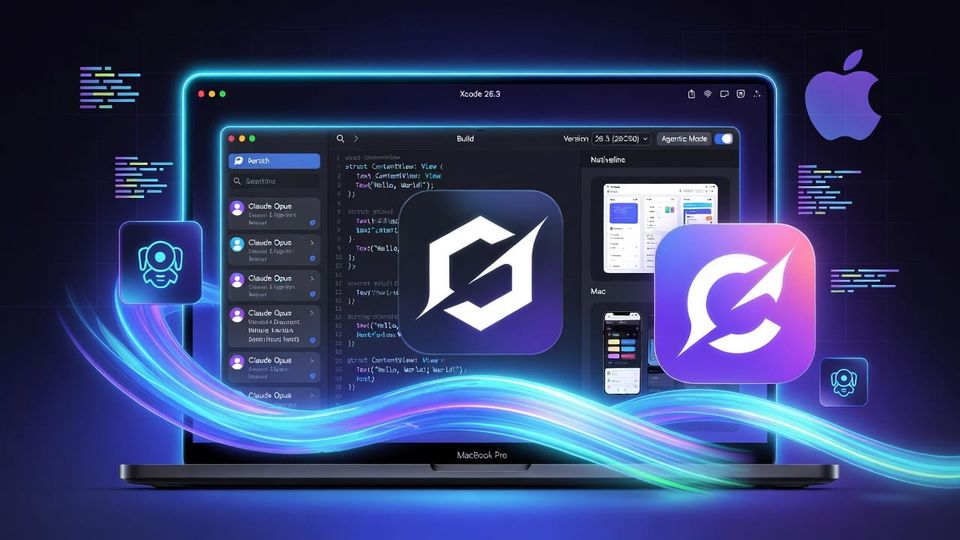
Apple released Xcode 26.3 (RC now, full soon) with built-in agentic coding. You can now use Anthropic’s Claude Agent and OpenAI’s Codex directly inside Xcode. Agents break down high-level goals, edit Swift/SwiftUI, run tests, reference docs, and iterate with project context awareness—no tool-switching required.
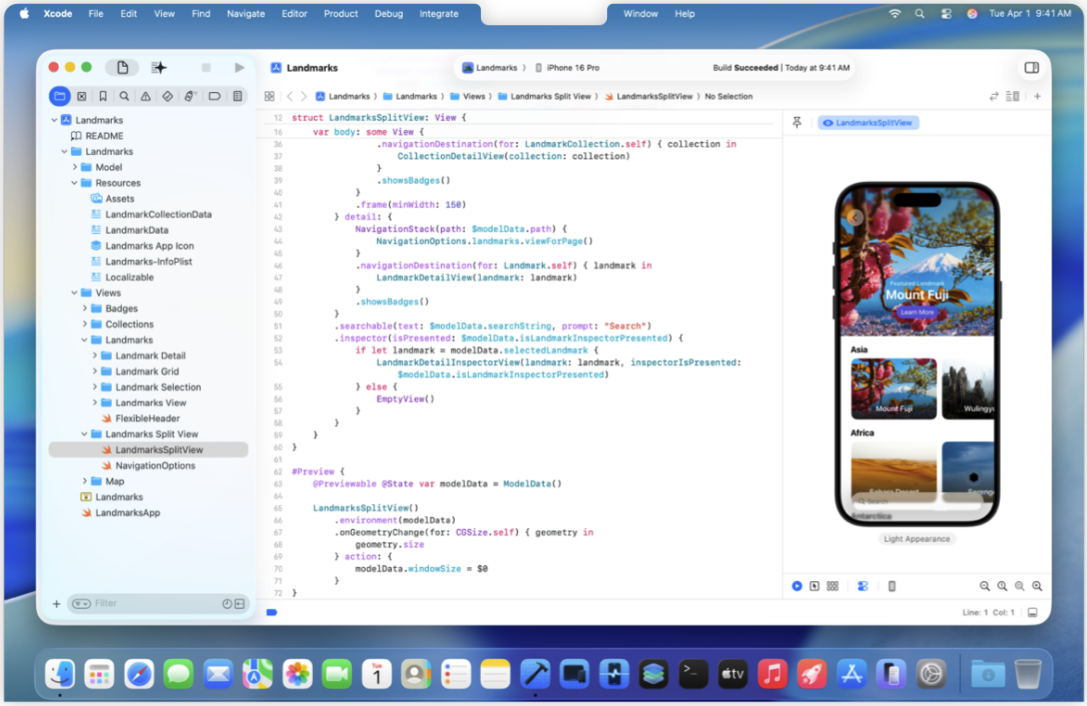
This is huge for seamless workflows on iOS, iPadOS, and macOS projects. The in-IDE autonomy could seriously speed up real development. I’m watching closely; if the integrations stay stable, this might become the new standard.
Claude Opus 4.6: My Coding Powerhouse Upgraded
Anthropic just shipped Claude Opus 4.6 (February 5), and it’s a beast for coding. Better planning, longer agentic runs, stronger debugging/self-correction, improved large-codebase handling, and a beta 1M-token context window. It leads real-world dev benchmarks and feels noticeably sharper than 4.5.
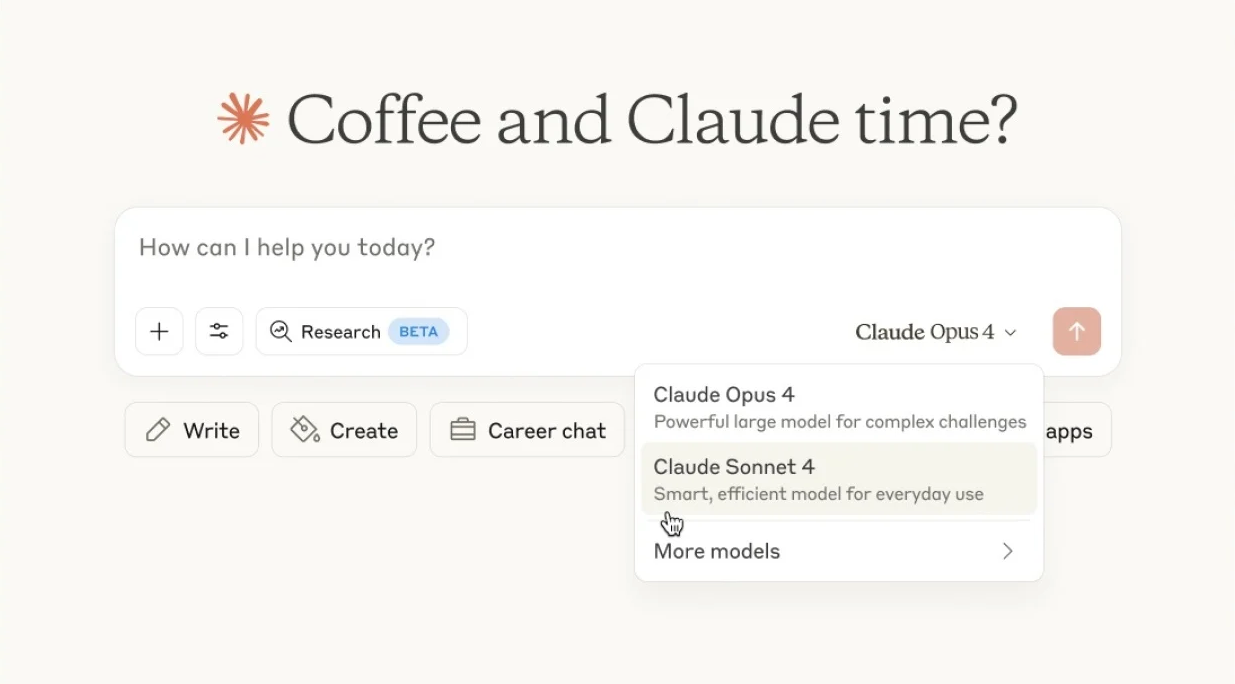
For me, Opus (and its Sonar siblings) paired with Grok’s code strengths is unbeatable—depth + speed + creativity. This release cements Claude as my go-to for serious, production-grade work. If you code daily, try it; the difference is tangible.
Nativeline Levels Up: Now Full Apple Platform Support
The biggest personal win? @Nativeline’s latest Mac app update. It already excelled at conversation-driven, native Swift/SwiftUI iOS apps (no wrappers, real Xcode projects you own). Now it adds iPad and Mac targets, plus one-click TestFlight shipping, database setup, capability integration, simulator testing, and logs—all powered by Claude models.
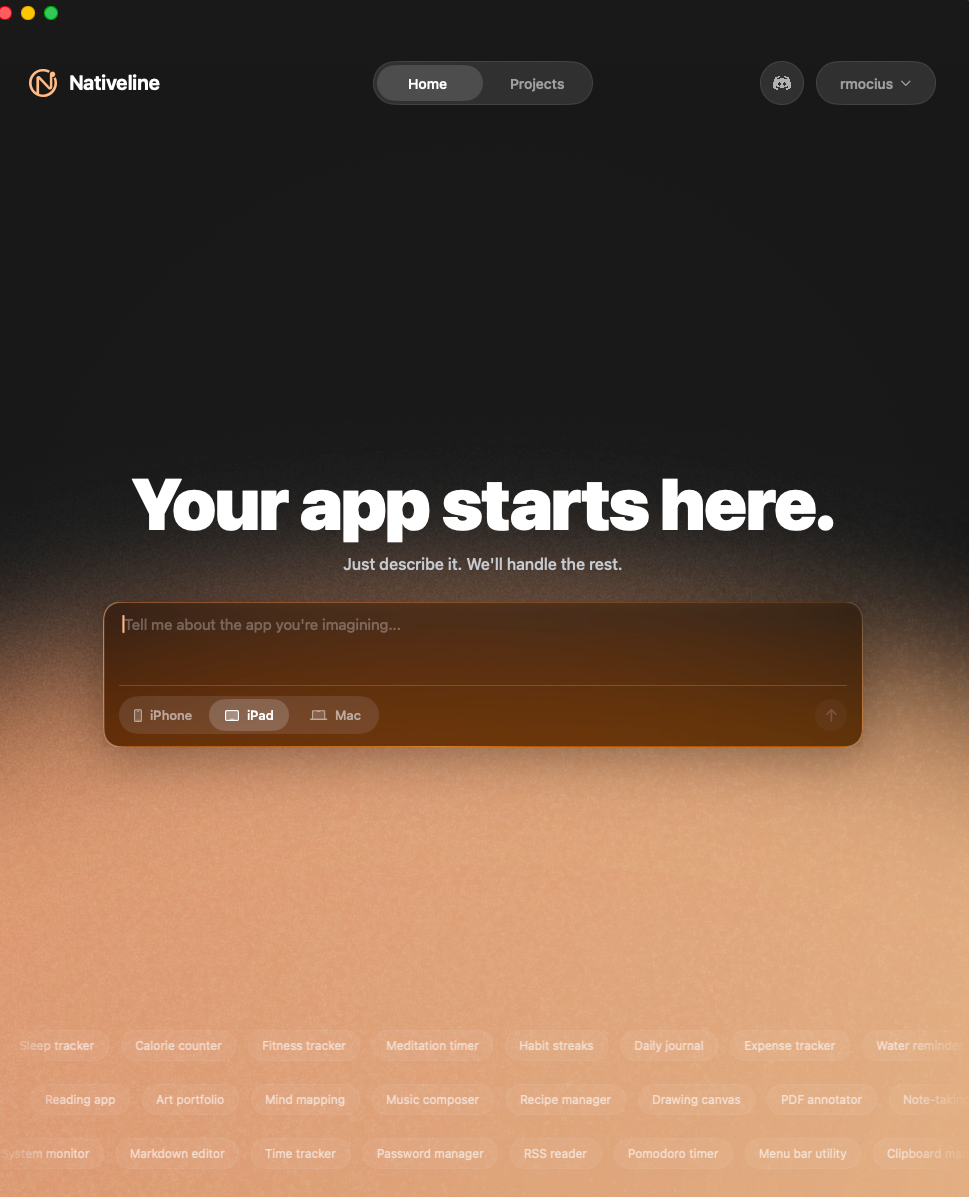
It’s the cleanest loop I’ve seen: chat your idea → generate/edit code → test → ship. Perfect for prototypes to polished multi-platform apps. This one genuinely makes me happy to build.
These releases show agentic AI maturing quickly—faster ideation, less boilerplate, more focus on what matters. Claude Opus 4.6 and @Nativeline spark the most joy here, but the whole stack feels electric.